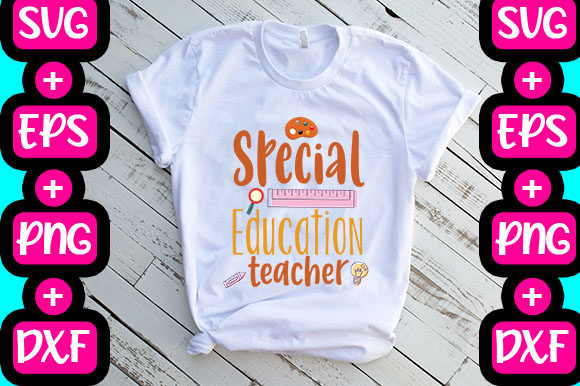
Special Education Teacher: Empowering Inclusive Learning Through Creative Resources
Being a special education teacher is far more than a job title; it is a vocation that demands patience, adaptability, and an endless well of creativity. These educators work on the front lines of inclusive learning, tailoring instruction to meet the unique needs of students with diverse abilities. From managing individualized education programs (IEPs) to fostering social-emotional growth, the role requires a multifaceted approach. However, one often overlooked aspect of this profession is the power of visual aids and tactile learning tools in bridging communication gaps and enhancing engagement.
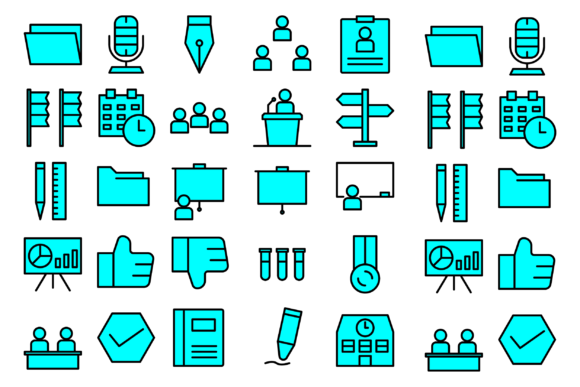
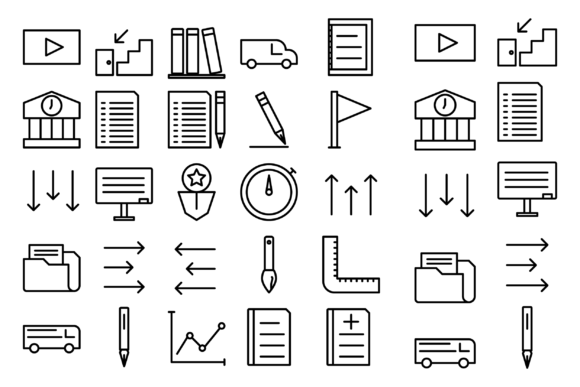
In recent years, the intersection of digital design and classroom application has opened new doors for educators. Resources like the 20 School SVG Design Bundle are not just decorative assets; they are practical tools that can transform how special education teachers create materials. By leveraging high-quality digital files, educators can produce customized, sensory-friendly, and visually appealing resources that resonate with their students.
The Role of Visuals in Special Education
For many students in special education settings, abstract concepts can be challenging to grasp through text or verbal instruction alone. Visual supports serve as critical scaffolds. A special education teacher might use visual schedules to help a student with autism navigate their day, reducing anxiety by providing predictability. Similarly, tangible rewards and recognition systems often rely on clear, appealing imagery to motivate learners.
This is where digital design bundles become invaluable. Instead of spending hours drawing clip art or searching for low-resolution images online, teachers can access professional-grade designs instantly. The 20 School SVG Design Bundle offers a variety of school-themed graphics that can be scaled, colored, and adapted for various uses. Whether it’s creating a "Star Student" certificate or designing sensory bin labels, these files provide the flexibility needed in a dynamic classroom environment.
Real-World Applications in the Classroom
Consider the scenario of a resource room where students rotate through different learning stations. A special education teacher needs clear, durable signage to indicate each activity. Using the SVG files from the bundle, the teacher can cut vinyl decals using a cutting machine. These decals are not only waterproof and tear-resistant but also consistent in style, which helps reduce cognitive load for students who thrive on routine and uniformity.
Another common situation involves social stories. These are short narratives that help students understand social situations and expected behaviors. By incorporating custom illustrations from the design bundle, teachers can create personalized books that feature characters resembling their students. This level of personalization increases relatability and comprehension. The included transparent 300 DPI PNG files are particularly useful here, allowing seamless integration into word processors or presentation software without awkward white backgrounds.
Crafting Tactile Learning Tools
Beyond digital displays, physical crafts play a significant role in developing fine motor skills and reinforcing academic concepts. The bundle includes EPS and DXF files, which are compatible with various cutting machines popular among educators. A teacher might use these files to create puzzle pieces for matching games, where students pair letters with corresponding images. The tactile experience of handling the pieces, combined with the visual cue, strengthens neural pathways associated with learning.
Greeting cards and paper crafts are another avenue. Celebrating small victories is crucial in special education. A handmade card featuring a cute school-themed design from the bundle can mean the world to a student who has achieved a personal goal, such as mastering a new skill or improving behavior. These moments of recognition build self-esteem and foster a positive classroom culture.
Benefits for Different Audiences
While special education teachers are the primary beneficiaries, the utility of such design bundles extends to other groups within the educational ecosystem:
- Paraprofessionals and Aides: They often assist in material preparation. Having access to ready-to-use designs allows them to quickly create supports during downtime, ensuring consistency across the team.
- Parents and Homeschoolers: Families supporting children with special needs at home can use these resources to replicate school structures. Creating visual schedules or reward charts at home reinforces the strategies used in the classroom, providing continuity for the child.
- Speech-Language Pathologists: Therapists working with non-verbal students often use picture exchange communication systems (PECS). High-quality, clear images are essential for effective communication boards. The transparent PNGs from the bundle are ideal for printing and laminating these communication cards.
Practical Considerations Before Use
Before diving into digital design, it is important to consider a few practical aspects. First, ensure you have the necessary software to open and edit the files. SVG files work best with vector-based programs like Adobe Illustrator or free alternatives like Inkscape, while DXF files are often used with CAD software or specific cutting machine apps. For those less tech-savvy, the included PNG files offer a straightforward drag-and-drop solution for standard document editors.
Second, think about accessibility. When using these designs for printed materials, consider color contrast. Students with visual impairments may struggle with low-contrast combinations. The ability to edit SVG colors allows teachers to adjust hues to meet specific visual needs, ensuring that the materials are inclusive for all learners.
Lastly, durability matters. Classroom materials undergo heavy use. If creating physical items like flashcards or game pieces, laminate them after printing or cutting. The high resolution of the provided files ensures that even when enlarged for poster-sized visuals, the images remain crisp and professional, avoiding the pixelation that plagues many free internet downloads.
Strengths and Limitations
The primary strength of using a curated bundle like the 20 School SVG Design Bundle is efficiency and quality. It saves time, allowing special education teachers to focus more on instruction and less on material creation. The variety of file formats ensures compatibility with different tools, from simple printers to advanced cutting machines.
However, there are limitations. Digital designs cannot replace the human connection. A beautifully crafted visual schedule is ineffective if the teacher does not consistently guide the student through its use. Additionally, while the bundle offers twenty designs, some highly specific needs may require custom illustrations that go beyond the provided themes. In such cases, these files serve as a foundation or supplement rather than a complete solution.
Moreover, reliance on technology requires access to hardware. Not all schools or homes have cutting machines or high-quality color printers. Teachers must assess their available resources before investing time in learning new software. For those with limited tech access, focusing on the PNG files for standard printing remains a viable and impactful strategy.
Enhancing Engagement Through Personalization
One of the most powerful aspects of being a special education teacher is the ability to tailor the learning environment. Generic store-bought materials often lack the personal touch that resonates with students. By using customizable SVG designs, teachers can incorporate students' interests into their learning tools. If a student loves dinosaurs, a teacher can overlay a school-themed SVG with dinosaur elements, creating a hybrid visual that captures attention and maintains interest.
This level of customization fosters a sense of ownership and belonging. When students see materials that reflect their identities and preferences, they are more likely to engage with the content. It transforms the classroom from a sterile institution into a welcoming, personalized space where every student feels seen and valued.
In conclusion, while the core of special education lies in pedagogical expertise and empathy, the tools used to deliver instruction matter greatly. Digital design resources offer a modern, efficient way to enhance teaching materials. By integrating high-quality SVGs and PNGs into their workflow, special education teachers can create more engaging, accessible, and effective learning experiences for their students.