The Visual Power of the Eye Glass Read Book Illustration Logo in Modern Education Branding
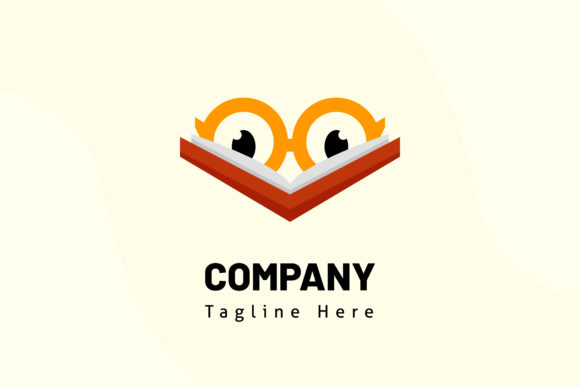
In an increasingly digital and visually saturated world, the identity of educational institutions and learning platforms hinges on immediate recognition. Among the most enduring and effective visual metaphors for knowledge is the combination of eyewear and literature. An eye glass read book illustration logo serves as more than just a decorative element; it is a concise communication tool that bridges traditional scholarship with modern accessibility. For schools, e-learning platforms, study clubs, and libraries, this imagery conveys a clear message: we facilitate vision, clarity, and deep understanding.
The relevance of this specific iconography has not diminished with the rise of technology. Instead, it has evolved. Where once it might have represented solely the quiet solitude of a physical library, today it symbolizes the focused attention required to navigate vast amounts of information online. For marketers, educators, and brand creators, understanding how to leverage this classic motif is essential for building trust and authority in the education sector.
Bridging Tradition and Digital Innovation
The core appeal of the eye glass and book combination lies in its universal recognizability. Glasses are synonymous with scrutiny, focus, and intellectual effort, while books represent stored knowledge and structured learning. When combined, they create a powerful semantic link between the act of seeing and the act of knowing. This is particularly crucial for entities like e-learning logos or class online logos, where the physical presence of a teacher is absent. The logo must do the heavy lifting of establishing credibility.
Modern workflows and user expectations demand clarity. Students and professionals alike are overwhelmed by choices. A well-designed learning logo cuts through the noise. It signals that the platform or institution values precision and depth. This is why we see a resurgence of this imagery in tech-forward educational startups. They are not rejecting tradition; they are anchoring their innovative methods in the timeless value of studious inquiry. The glasses suggest that the platform helps you see what others miss, while the book promises substantive content rather than superficial snippets.
Adapting the Motif for Diverse Educational Contexts
While the core elements remain consistent, the application of an eye glass read book illustration education logo varies significantly depending on the target audience and the specific niche. A one-size-fits-all approach rarely works in branding. Here is how different sectors can adapt this visual language:
- School Logos: For primary and secondary institutions, the design often leans towards warmth and approachability. The glasses might be rounded and friendly, and the book open and inviting. The goal is to make education feel safe and nurturing rather than intimidating.
- E-Learning and Class Online Logos: These brands often require a sleeker, more minimalist aesthetic. The lines may be cleaner, and the color palette more modern, utilizing blues and teals that evoke technology and trust. The "book" might be stylized to resemble a tablet or a digital interface, subtly hinting at the medium without losing the traditional symbolism.
- Club Study and Study Logos: Community-focused groups benefit from designs that emphasize collaboration. Here, the imagery might include multiple pairs of glasses or an open book shared between figures. It suggests that learning is a social, interactive process, not just a solitary endeavor.
- Library Logos: As guardians of physical and digital archives, libraries use this motif to highlight preservation and access. The design often feels more stately and authoritative, using serif fonts and classic proportions to convey longevity and reliability.
By tailoring the style of the class logo or study logo to the specific emotional needs of the audience, creators can ensure the visual identity resonates on a deeper level. A freelance tutor might choose a hand-drawn, organic look to emphasize personal mentorship, while a corporate training firm might opt for geometric precision to highlight efficiency and results.
The Psychology of Clarity and Focus
Why does this specific combination work so well? It taps into fundamental psychological associations. Glasses correct vision. In a metaphorical sense, education corrects ignorance or confusion. When a user sees an eye glass read book illustration logo, they subconsciously associate the brand with the removal of barriers to understanding. This is a powerful promise in an era where misinformation is rampant and attention spans are short.
For entrepreneurs and business owners in the education space, this psychological lever is invaluable. It positions the brand as a helper, a guide, and a clarifier. It moves beyond the generic imagery of graduation caps or torches, which can feel cliché, and offers a more intimate connection to the daily act of learning. It speaks to the individual learner’s experience—the moment of clarity when a complex concept finally makes sense.
Moreover, this imagery aligns with current lifestyle shifts towards lifelong learning. Adults aged 20–50 are increasingly engaging in upskilling and reskilling. They are not just students; they are professionals seeking competitive edges. A sophisticated learning logo that features this motif respects their intelligence and ambition. It suggests that the platform is serious about content quality and designed for those who want to see the bigger picture.
Practical Design Considerations for Creators
For designers and marketers tasked with creating these identities, several practical considerations ensure the final product is effective. First, scalability is critical. An e-learning logo must look distinct on a mobile app icon as well as on a large banner. Complex details in the glasses’ frames or the book’s pages can get lost at small sizes. Simplification is key. Using negative space creatively can allow the brain to fill in the details, making the logo memorable and versatile.
Color choice also plays a pivotal role. While blue is common for trust and intelligence, incorporating warmer tones like orange or yellow can add energy and creativity, appealing to younger demographics or creative courses. Conversely, deep greens or burgundies can evoke the traditional atmosphere of a library logo, appealing to those seeking academic rigor.
Typography should complement the illustration. If the eye glass read book illustration logo is modern and minimal, a sans-serif font reinforces that contemporary feel. If the illustration is more classic or hand-drawn, a serif font can enhance the sense of tradition and authority. The harmony between text and image creates a cohesive brand voice.
Future-Proofing Educational Branding
As we look toward the future of education, the mediums may change, but the human desire for clarity and knowledge remains constant. Virtual reality, augmented reality, and AI-driven tutoring will transform how we learn, but the symbolic value of the study logo featuring glasses and books will endure. It represents the human element in education—the curiosity, the focus, and the joy of discovery.
Brands that adopt this imagery are not stuck in the past; they are grounding their future innovations in timeless values. For a club study logo or a class online logo, this balance is essential. It reassures users that despite the technological delivery method, the core mission is human-centric growth. It signals that the platform is a tool for empowerment, helping users sharpen their vision and expand their minds.
In conclusion, the eye glass read book illustration logo is a versatile and potent asset for any educational brand. Whether for a local school, a global e-learning platform, or a niche study group, it communicates clarity, focus, and intellectual depth. By understanding the psychological underpinnings and adapting the design to specific contexts, creators can build identities that resonate with modern learners. It is a reminder that in the fast-paced digital age, the ability to see clearly and read deeply is more valuable than ever.